A cataract develops when the natural lens in the eye becomes cloudy, most commonly due to age, inflammation or steroid use. Some cataracts progress quickly, while others develop gradually over time.
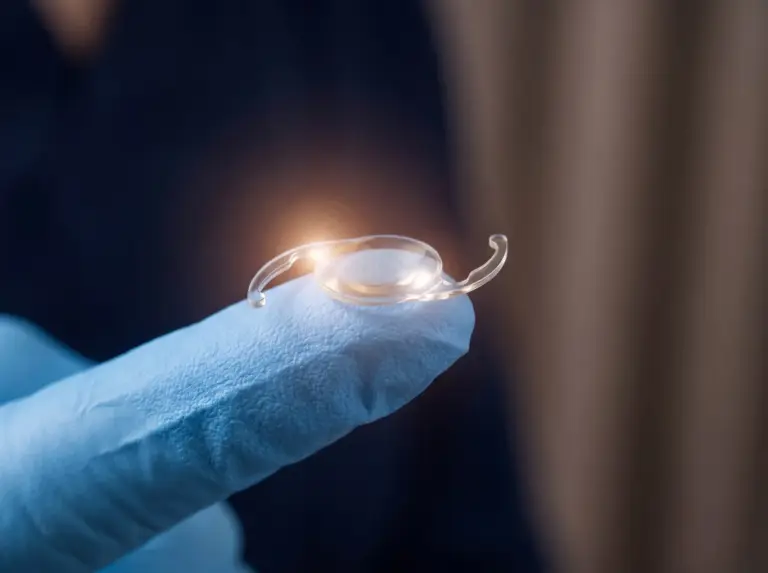
The only treatment is surgery: the cloudy lens is removed and replaced with a permanent artificial lens implant.
Blurred or misty vision
Glare and haloes around lights
Colours looking faded
Frequently needing new glasses or contact lenses
Complex cases
Experience for the cataracts that need it most.
Complex cataract surgery is my subspecialty. Some eyes need extra planning, and I plan each operation individually.
Dense or mature cataracts
Small pupils
Previous eye surgery
Pseudoexfoliation
Astigmatism, corrected with toric lenses
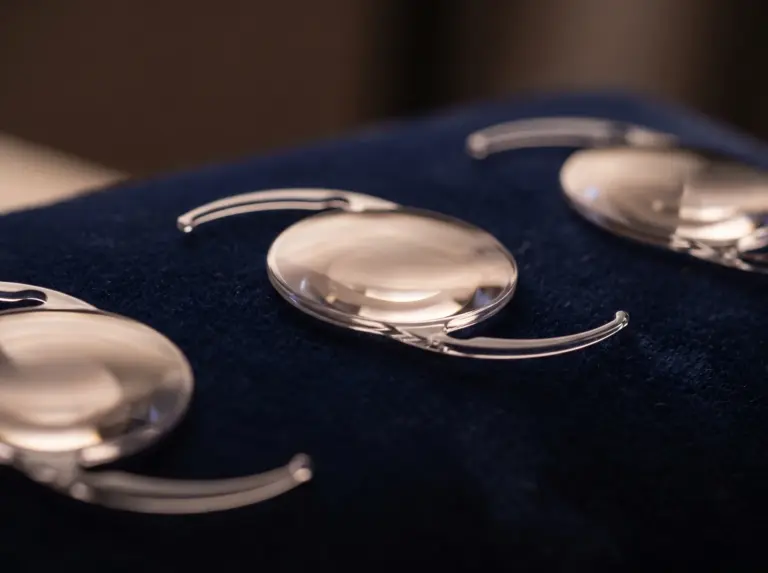
Lens implant choice
A lens chosen for the way you live.
I will assess whether your eye is suitable for a particular lens and recommend the option that suits your visual needs. A lens implant can also correct short or long sight.
Monofocal
Clear vision at one distance, usually set for distance, so most people need glasses for reading.
Good distance vision and contrast
Glasses likely for near or distance tasks
Extended depth of focus (EDOF)
Combines the benefits of monofocal and multifocal lenses, using a single elongated focal point.
Great distance and intermediate vision, with a lower risk of glare and haloes
You may still need reading glasses
Multifocal
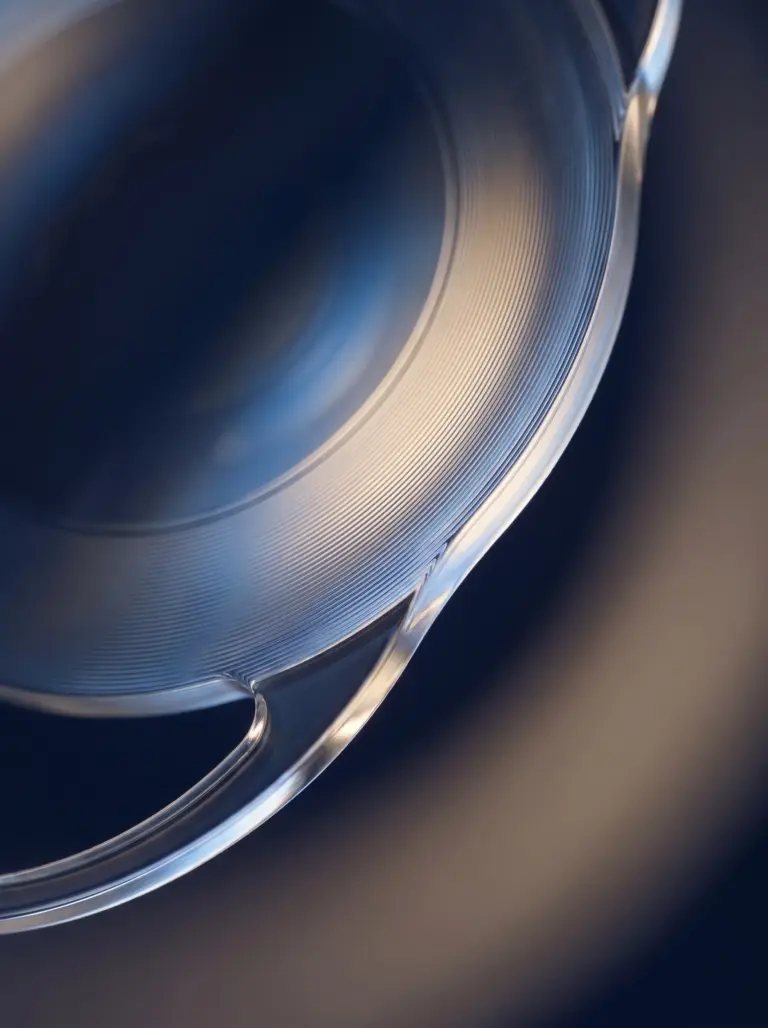
Three distinct points of focus, for near, intermediate and distance vision.
Less reliance on glasses for everyday tasks
Glare and haloes are more common
Toric lenses and “monofocal plus”
Toric versions can correct astigmatism at the same time, and newer “monofocal plus” lenses give excellent distance and intermediate vision. We will discuss whether either suits you.
Your surgery day
What happens, step by step.
Arrive
A calm welcome, final checks and time for any last questions.
Prepare
Drops to widen the pupil and a local anaesthetic, given just before surgery.
Surgery
The cloudy lens is removed and your new lens implant placed. The small incision usually seals itself.
Home & aftercare
Drops, a check-up after surgery and my direct number if anything worries you.
After surgery
Recovery, follow-up and a surgeon you can call.
You will go home with clear instructions for your drops and a follow-up appointment to check your progress. You may still need reading or distance glasses afterwards, depending on the lens implanted.
Months or years later, the capsule that holds the lens can become cloudy. If that happens, a YAG laser capsulotomy in clinic usually brings an immediate improvement.
The eye is numbed with a local anaesthetic immediately before surgery, and I talk you through what you may feel at each step.
Will I still need glasses?
Possibly, depending on the lens. With a monofocal lens set for distance, most people need reading glasses. EDOF and multifocal lenses may reduce reliance on glasses, with trade-offs. Wait until the eye settles before buying new glasses.
Can both eyes be treated?
Yes. I usually operate on one eye at a time, with the second a few weeks to a couple of months later once the first has healed. NICE says surgery on both eyes on the same day can be considered for some people at low risk of complications.
How soon can I drive?
I normally recommend waiting 2 weeks. Legally you can drive once your vision meets the DVLA standard, including reading a number plate from 20 metres, wearing glasses if you need them. You should not drive yourself home on the day of surgery.
Do I need a referral?
No. You can contact me directly without a GP referral. Some insurers ask for a referral from a GP or Optometrist before they cover treatment, so if you are claiming, check your policy first.
Speak to me directly
A direct line to your surgeon, before and after surgery.
There is no call centre or switchboard. Call, email or request an appointment online and I will reply personally within 24 hours.